







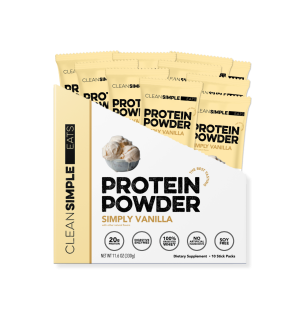


“The absolute best protein powder
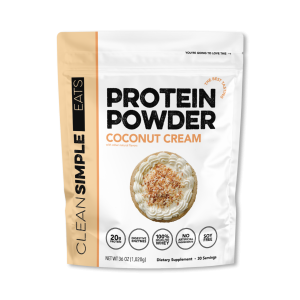
ever! Tastes like vanilla ice cream!”

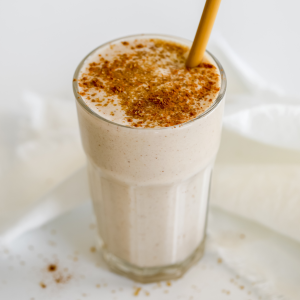
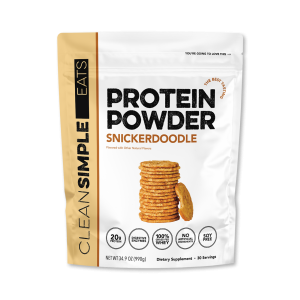
“I can’t get enough of this
snickerdoodle flavor!! The best
protein powder I’ve had!”

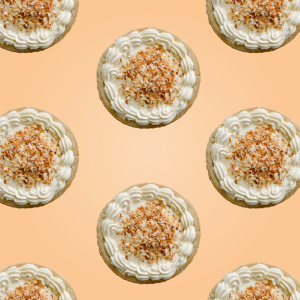
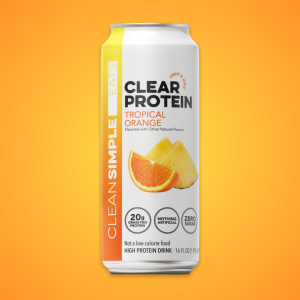
“So good! If Hawai had a flavor it’d be
this!”

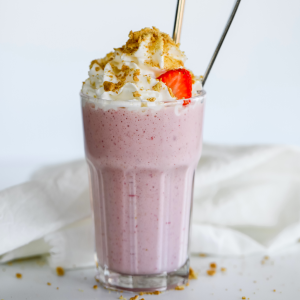
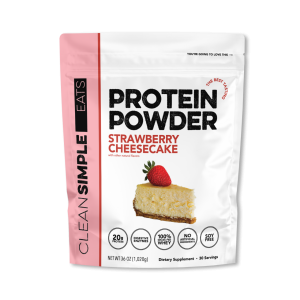
“So creamy and smooth, you can taste
both the strawberry and cheesecake!”

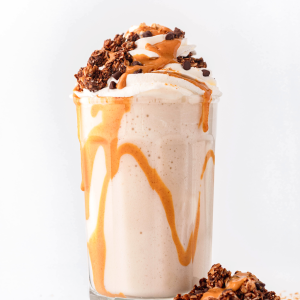
“True to its name, it tastes like
chocolate peanut butter cup heaven!”

“This is the new standard of chocolate-
flavored protein! It’s as smooth as can
be, and tastes so good!”
Title: Beyond the Shaker: Creative Ways to Use Protein Powder and Myths Debunked
For many, the idea of protein powder conjures up images of chalky, clumpy drinks consumed reluctantly in locker rooms. While the “shake and chug” method is certainly efficient, it is also incredibly boring. In reality, protein powder is a highly versatile culinary ingredient that can transform “guilty pleasures” into nutrient-dense fuel. Furthermore, as its use becomes more common in everyday kitchens, it is time to address the lingering myths that keep people away from this helpful ingredient.
Busting Common Myths
Before we get into the kitchen, let’s clear the air regarding some persistent misconceptions.
Myth 1: It will make you “bulky.” This is a specific fear often voiced by women or casual exercisers. The truth is that building massive muscle requires a very specific training stimulus (heavy lifting), a massive caloric surplus, and years of dedication. Simply consuming protein will not accidentally turn you into a bodybuilder. Instead, it will likely help you look “toned” by supporting lean tissue while you lose fat.
Myth 2: Cooking destroys the protein. Some people worry that heating the powder “kills” the protein. While heat does denature the protein (changing its structure), it does not destroy the amino acids. Your body absorbs the amino acids regardless of whether the protein was cooked or raw. The nutritional value remains intact.
Myth 3: It is unnatural and bad for you. High-quality powders are simply dehydrated food sources (like milk or peas). While additives exist in cheaper versions, high-quality isolates are very clean. Unless you have a pre-existing kidney condition, a high-protein diet is safe for healthy adults.
The Culinary Versatility of Protein
Now that we know it is safe and heat-stable, how do we use it beyond the shaker bottle? The key is understanding that protein powder absorbs moisture differently than flour. It tends to dry out baked goods if not balanced with wet ingredients.
Protein Oatmeal (Proats): This is the easiest entry point. Do not add the powder while the oats are boiling, as it can become clumpy. Instead, cook your oats as usual, remove them from the heat, and stir in a scoop of powder with a splash of extra milk. It creates a creamy, dessert-like breakfast that keeps you full until lunch.
The Smoothie Bowl: By using less liquid and adding frozen fruit or ice, you can create a thick, ice-cream-like consistency. Top this with nuts, seeds, and berries for a texture-rich meal that feels like a treat but performs like a superfood.
Energy Balls: Mix your favorite powder with rolled oats, nut butter, and a sticky sweetener like honey or maple syrup. Roll them into bite-sized spheres and refrigerate. These are perfect portable snacks for hiking, office breaks, or long commutes.
Baking Tips for Success
If you want to bake pancakes, muffins, or waffles, never replace 100% of the flour with protein powder; the result will be rubbery. A good rule of thumb is to replace about 1/3 of the flour in a recipe with protein powder. Additionally, because protein absorbs liquid, you may need to add a moisturizing agent like Greek yogurt, applesauce, or mashed banana to the batter to keep the final product moist and tender.
Conclusion
Protein powder is far more than a gym accessory; it is a lifestyle tool that supports health, satiety, and creativity. By moving beyond the shaker bottle and integrating protein into your cooking and baking, you can enjoy your favorite flavors while still nourishing your body. Whether you are making a high-protein cheesecake or a simple morning smoothie, this ingredient offers a convenient way to prioritize your health without sacrificing flavor.


